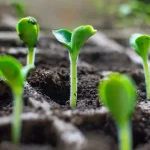
How Paper Nursery Trays are Enhancing Agricultural Practices in Modern Cultivation

Have you ever noticed how flowers and plants around public squares, fountains, and gardens change so frequently and yet maintain their beauty throughout the year? This transformation, often in the blink of an eye, is made possible through modern cultivation techniques, including the use of nursery trays. In this article, we will explore how nursery trays are reshaping the way plants are grown and nurtured, offering more efficient and sustainable options for both commercial and personal gardening.

Fountains with Flowers

Modern Techniques for Growing Ornamental Flowers and Plants

Below are some commonly used modern plant cultivation methods, each of which utilizes seedling trays to ensure efficient and healthy plant growth. Nursery trays play a critical role in providing optimal conditions for early-stage development, regardless of the cultivation technique.

Greenhouse Cultivation

Greenhouse Cultivation and Controlled Environments

Modern flower and plant cultivation often takes place in controlled environments, such as greenhouses, where temperature, humidity, and light levels are precisely managed. These environments allow for year-round planting and the rapid production of flowers and ornamental plants.

Vertical Farming

As urban areas grow, vertical farming techniques are becoming increasingly popular. By growing plants in stacked layers, vertical farming maximizes limited space and is highly suitable for growing ornamental flowers, herbs, and even vegetables.
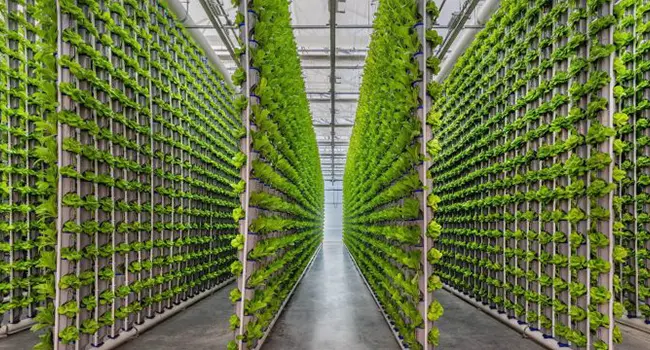
Vertical Farming
Automated Planting Systems

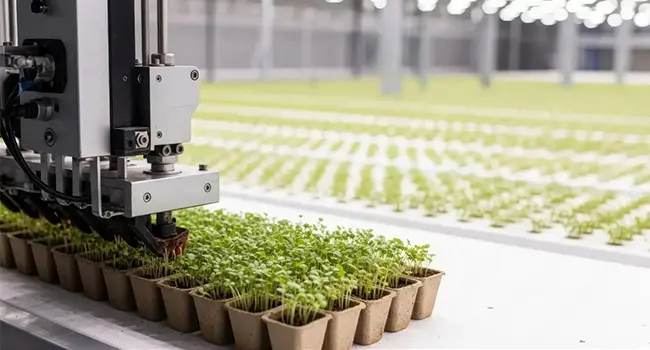
Automated Planting Systems

Automation in planting has taken off in recent years. With automated planting systems, everything from seed sowing to watering can be controlled through sensors and software, ensuring that plants are always cared for in the most efficient way.

What Types of Plants Are Suited for Nursery Trays?

Nursery trays are ideal for growing various types of plants that require controlled environments for optimal early-stage growth. The following plant categories are especially well-suited for nursery trays:

Petunias

Flowering Plants

Flowering plants, including ornamental species like roses, petunias, geraniums, and marigolds, thrive in nursery trays. These plants benefit from the uniformity and spacing provided by the trays, promoting healthy root development and preventing overcrowding.
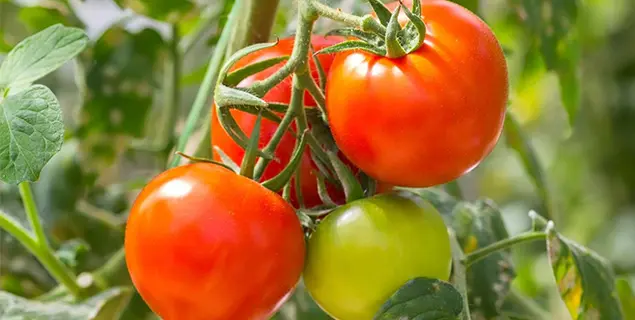
Tomatoes

Vegetables

Vegetables such as tomatoes, peppers, cucumbers, and eggplants grow well in nursery trays during their initial stages. The trays allow for easy transplanting, ensuring these plants establish a strong root system before being moved to larger garden beds.

Rosemary

Herbaceous Plants

Herbaceous plants like basil, rosemary, thyme, and lavender are often grown in nursery trays. These plants typically require specific environmental conditions for germination and early growth, making trays a perfect solution for managing their delicate growth stages.

Succulent Plants

Succulent Plants

Succulent varieties such as cacti, aloe vera, and echeveria thrive in nursery trays. The trays provide an organized setup for these plants, helping to regulate moisture and ensure adequate drainage, which is essential for their survival and health.

Why Are Nursery Trays Widely Used in Plant Cultivation?

Grow Plants Using Nursery Trays
8 Holes Nursery Tray

Consistent Germination and Even Growth

Nursery trays create a controlled environment that ensures consistent germination, helping seeds sprout at the same rate. This uniformity reduces planting risks, resulting in a higher success rate for seedlings and more predictable growth outcomes.

Promote Strong and Healthy Roots

The design of nursery trays provides ample space for roots to grow without becoming overcrowded. This helps plants avoid root rot and entanglement, leading to healthier, more resilient plants that are better prepared for transplantation.

Maximize Space and Resource Efficiency

Nursery trays are an incredibly space-efficient solution, enabling more plants to be grown in smaller areas. In addition, they help conserve valuable resources such as soil, water, and fertilizers, making them a more sustainable and environmentally-friendly option for plant cultivation.

Eco-Friendly Paper Trays for Easy Transplantation

Paper nursery trays can be directly planted into the soil without the need for removal. The paper trays naturally decompose over time. This not only reduces waste but also simplifies the transplantation process, as plants can be moved without disturbing their root systems.

The Significance of Paper Nursery Trays in Modern Cultivation

Paper trays are becoming an increasingly popular choice in modern cultivation due to their eco-friendly properties and effective functionality.

Eco-Friendly Alternative to Plastic Trays

One of the main advantages of paper nursery trays is their biodegradability. Unlike plastic trays, which take centuries to break down, paper trays decompose naturally, reducing landfill waste. As demand for sustainable farming increases, many growers are choosing paper trays for their eco-friendly benefits. These trays help cut plastic use and support the shift towards greener agricultural practices.

Improved Soil Health and Fertility

Paper nursery trays can contribute positively to soil health once they decompose. As they break down, they release organic matter that enriches the soil with valuable nutrients, helping to improve soil structure and fertility. This natural process supports healthier plant growth in the long term, making paper trays an ideal choice for gardeners looking to build a more sustainable and regenerative growing environment.

Support for Organic Farming Practices

For organic farmers, using paper nursery trays can be particularly beneficial. Since paper is a natural material, it poses no risk of introducing harmful chemicals or toxins to the plants, which is a critical consideration in organic agriculture. Paper trays can seamlessly fit into organic farming systems, supporting the healthy and chemical-free growth of crops right from the early stages.

Partner with Us to Produce High-quality Nursery Trays

Beston Group is a leading supplier of pulp-molded nursery tray machine, specifically designed for the production of high-quality nursery trays. Currently, we support the production of 1/6/10-hole nursery trays. If you require other specifications, feel free to contact us for customized molds.

Beston Group Nursery Tray Making Machine

Additionally, by simply changing the mold, this equipment can also produce a wide range of products, including egg trays, egg boxes, coffee trays, fruit trays, and more, catering to diverse market needs.

30 Holes Egg Tray

6 Holes Egg Carton

Coffee Trays

Fruit Trays

Conclusion

Nursery trays have become an essential tool in modern plant cultivation, offering numerous advantages for both professional growers and home gardeners. By investing in the right nursery tray making machine, growers can achieve higher yields, better-quality plants, and a more sustainable approach to gardening. Launch your nursery tray making machine project with us now!

    Contact Us

    The following items will help you identify key information about your project, which will enable us to work on a competitive solution proposal.

    Please specify your requirement by referring to the following aspects:

    1.Which model would prefer? (BTF4-4 to BTF8-8) Or what is your expected output? (Key point)

    2.Do you need metal drying line for drying wet paper trays?

    3.Your requirements on the final pulp molded products

    4.Budget for machinery purchasing? (Key info for right model)

    5.Points that you really focus on. (Customized service from our project consultant)