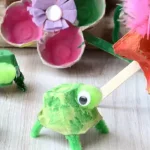
Used egg cartons should not be reused to store fresh eggs due to potential contamination risks. However, clean cartons can be repurposed for non-food uses, such as gardening, crafts, and household organization. Depending on the material, they may also be recyclable or compostable. This guide explores safe reuse options, material differences, and sustainable recycling solutions for egg cartons.
Why Should Used Egg Cartons Not Be Reused for Eggs?
Used egg cartons are generally intended for single use, particularly in commercial food packaging. Even if a carton appears clean, contamination risks and applicable food safety requirements can make reuse unsuitable.
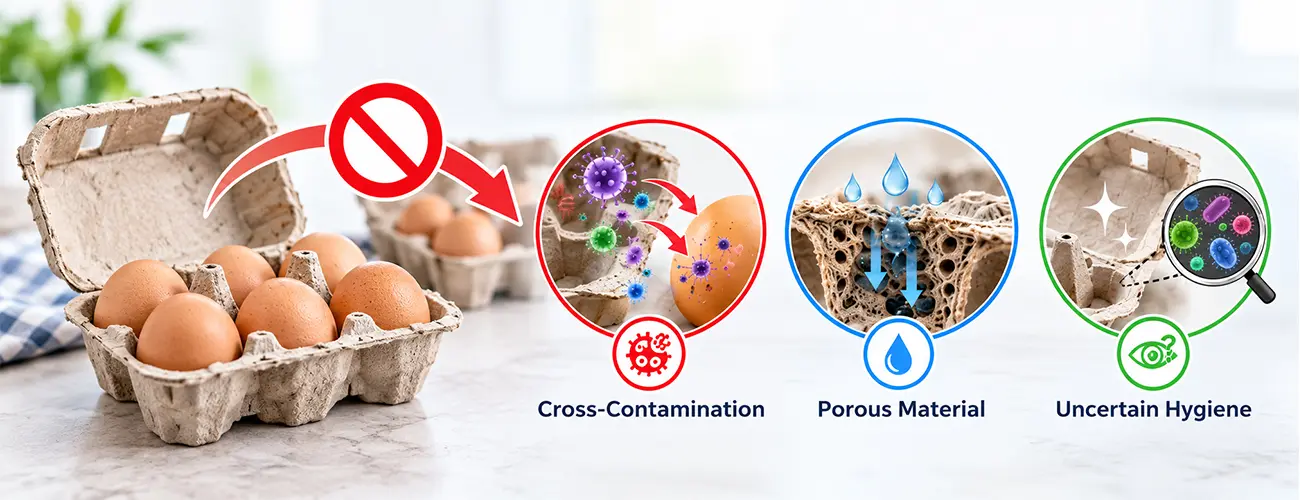
Food Safety Risks of Reusing Egg Cartons
- Cross-Contamination: Microorganisms on eggshells or carton surfaces may transfer to fresh eggs or other surfaces.
- Porous Material: Paper-pulp cartons can absorb moisture and contaminants, making effective cleaning difficult.
- Uncertain Hygiene: A carton that looks clean may still carry contaminants, and ordinary household cleaning does not guarantee effective sanitation.
U.S. Regulations on Egg Carton Reuse
Requirements for reusing egg cartons vary by jurisdiction and context. For example, Washington State has a specific regulation restricting the reuse of egg cartons or egg flats after they have been distributed to consumers for subsequent consumer-channel packaging. This is a state-level requirement and should not be interpreted as a blanket federal prohibition covering every possible reuse scenario across the United States.
Official Source: Reducing salmonella risk in table egg production
Understanding Egg Tray Materials Before You Repurpose
Egg trays are primarily manufactured from three distinct industrial materials, each possessing unique physical and chemical properties that dictate their performance, durability, and general behavior in different environments.
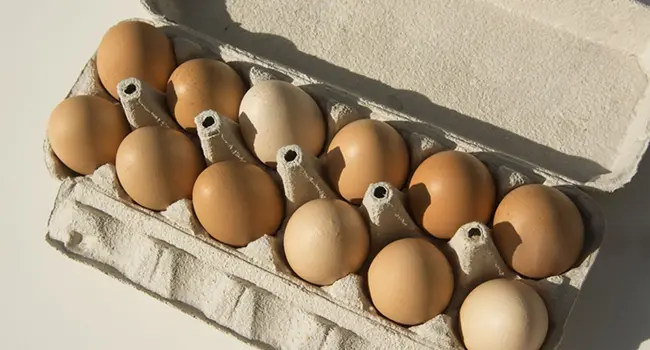
Paper-Pulp (Molded Pulp)
Crafted from recycled paper fibers and water, paper-pulp cartons are highly porous, absorbent, and breathable. Because they lack synthetic moisture barriers, they readily absorb liquids and allow air circulation.
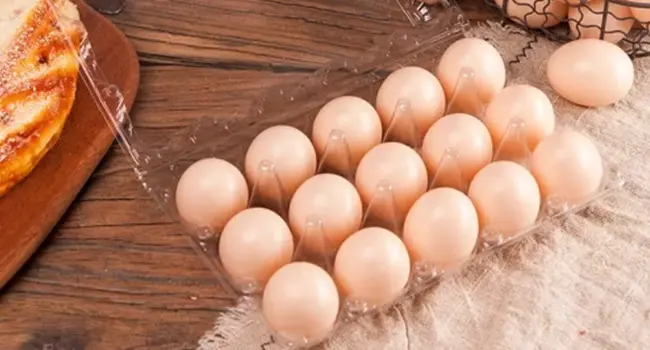
Rigid Plastic (PET)
Formed from thermoformed polyethylene terephthalate, rigid plastic cartons offer exceptional structural integrity, complete transparency, and total moisture resistance. They are durable, washable, and protect fragile contents from crushing and external humidity, though they are entirely non-porous and do not breathe.
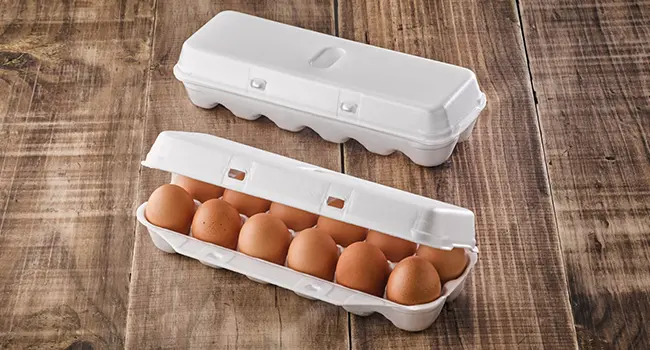
Expanded Polystyrene (Foam)
Foam cartons are manufactured from expanded polystyrene beads, making them remarkably lightweight, flexible, and excellent thermal insulators. They cushion impacts effectively and repel moisture entirely, but their lightweight cellular structure makes them prone to cracking under sharp point loads while remaining completely non-biodegradable.
Clever Ways to Repurpose Used Egg Cartons
Once an egg carton completes its original purpose, its molded shape and individual compartments make it a versatile tool around the home, garden, and workshop.
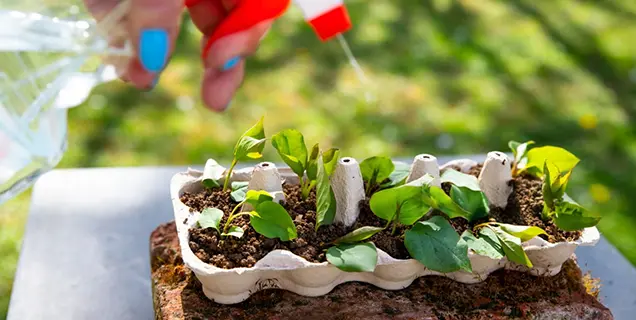
Seed Starting and Plant Propagation
Compatible Materials: Uncoated Paper-Pulp only
Paper-pulp egg cartons make excellent temporary seed starters because their individual compartments keep growing media and roots neatly separated. Before transplanting your seedlings directly into garden beds, ensure you use plain, unprinted pulp free of toxic inks, and remember to puncture the bottom of each cell so proper drainage prevents root rot.