When you think of protective packaging, what materials instantly come to mind? While market options are vast, the vast majority of products rely on three dominant packaging materials: molded pulp, rigid plastic, and EPS foam. But where are these materials most commonly used, and what unique characteristics do they bring to the table? In this guide, we break down their typical applications, physical performance, and overall efficiency across several core dimensions to help you identify the best packaging option for your operations.
Type 1: Molded Pulp

Definition & Applications
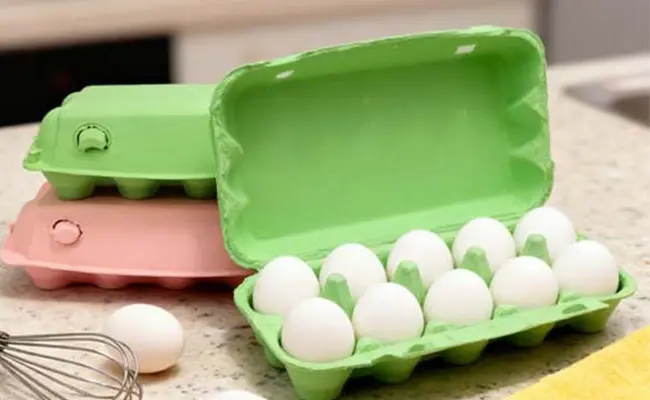
- Definition: Bio-based, eco-friendly packaging material engineered from recycled paper and can be formed into protective 3D shapes.
- Common application: It is widely used for egg trays, retail egg cartons, fruit trays, and industrial protective packaging like inner liners for cosmetics.
Physical Protection & Operational Efficiency
- Structural cushioning: Engineered with structural ribbing for high-impact protection, while its natural micro-porous surface absorbs excess moisture to prevent sweating and extend shelf life.
- Compact stacking & easy separation: Cuts storage space by up to 70% over EPS foam. Unlike plastic, its static-free surface separates smoothly on automated lines without sticking.
Regulatory Risk: Zero Risk 👍
- 100% circular & mandate-compliant: Fully aligned with global sustainability standards; easily repulpable, naturally biodegradable, and completely free of single-use plastic restrictions.
- Tax exempt & financial protection: Exempt from global plastic bans, carbon taxes, and Extended Producer Responsibility (EPR) penalties, protecting brands from unexpected compliance expenditures.
Cost Structure & Financial ROI
- Lower invest expenses: Eliminates exposure to fluctuating plastic tax levies and high warehousing overheads associated with bulky materials.
- Self-owned production & waste recycling: Enables farms and packaging buyers to install an on-site pulp molding production line, converting low-cost waste paper into valuable packaging for complete supply chain independence.
Type 2: Rigid Plastic & Blister Packaging (PET/PVC)
Definition & Applications
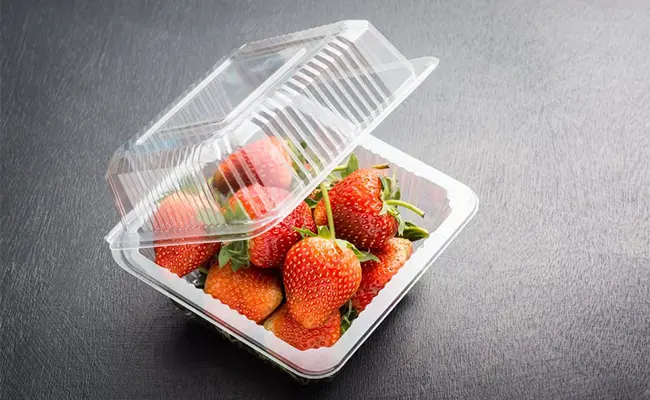
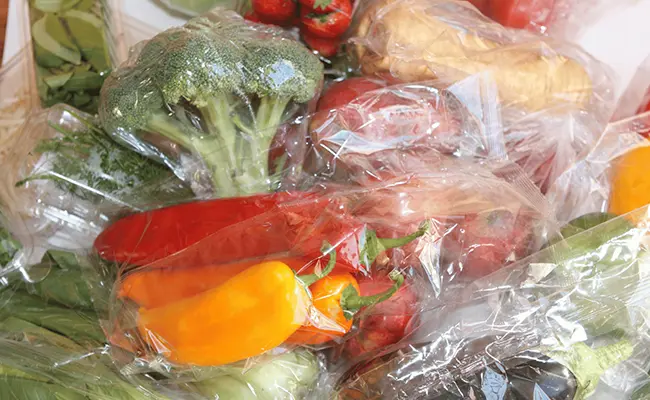
- Definition: Transparent packaging produced by heating plastic sheets (like PET or PVC) and shaping them around molds into firm, clear containers.
- Application: Prevalent in clear 10-hole/12-hole clamshell egg boxes, retail blister packaging, fruit containers, and disposable food tubs.
Physical Protection & Operational Efficiency
- Great Product display, low-impact protection: Offers excellent clear product visibility for retail display, but thin plastic walls are prone to cracking under heavy loads or cold temperatures, leading to product damage.
- Automated packaging stoppages: Static charges cause stacked plastic trays to stick together tightly, triggering frequent feed delays and costly downtime on automated packaging lines.
Regulatory Risk: Moderate to High Risk
- Direct plastic taxes: Subject to heavy financial levies, such as the EU tax of €0.80 per kilogram on non-recycled plastic packaging waste.
- Tightening recyclability mandates: Retailers are actively phasing out single-use PET/PVC blisters to meet strict mono-material packaging requirements and circularity goals.