In recent years, global plastic bans have reshaped the packaging and disposable product markets. With mounting concerns about ocean microplastics, landfill congestion, and carbon emissions, governments and consumers are turning toward biodegradable alternatives. Among them, paper pulp molding has emerged as one of the most practical and scalable solutions. For pulp molding industry, the plastic ban has opened new avenues of growth – alongside a set of new challenges that demand technical and strategic adaptation.
What is Plastic Ban?
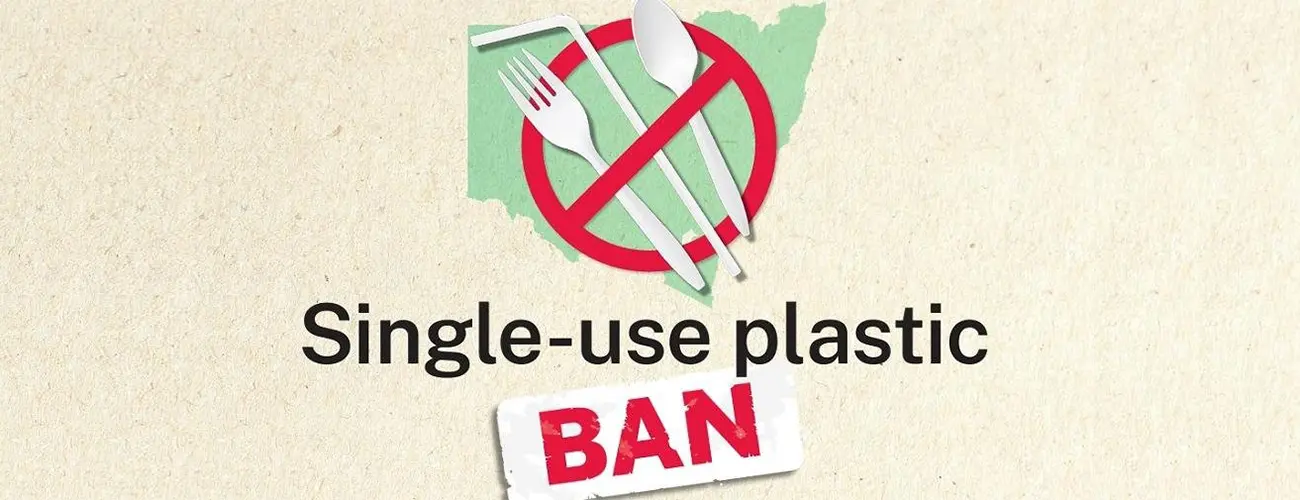
Definition & Purpose of the Plastic Ban
The plastic ban is a regulatory measure aimed at prohibiting the use of polymer materials derived from petroleum and other fossil fuels. These materials cause severe environmental pollution during production and use, posing significant threats to ecosystems and biodiversity.
Global Implementation Status & Development Trends
At present, an increasing number of countries have begun implementing bans on plastic bags and gradually prohibiting the use of single-use plastic products such as disposable tableware, straws, and plates. The core objective of these policies is to promote the adoption of more degradable, renewable, and non-polluting alternatives, fostering an environmentally friendly model of production and consumption.
Countries and Specific Regulations Implementing the Plastic Ban
| Country | Key Requirement |
|---|---|
| European Union | Since July 2021, the single-use plastic plates, cutlery, straws, balloon sticks and cotton buds are banned across all EU Member States. Cups, food, and beverage containers made of expanded polystyrene are also banned. |
| USA (California) | California was the first state to ban plastic bags; the statewide ban has been in effect since 2016. In 2022 the state passed a law to ensure a 25% reduction in single-use plastic by 2032, with targets to improve recycling rates and reduce plastic pollution. |
| China | Bag bans: Ultra-thin plastic bags have been banned since 2008; thicker bags are being phased out across towns and cities in 2022, with a full ban planned by 2025. Restaurant industry: Mandated to reduce single-use plastic items by 30%, with a timetable for phasing out all single-use plastic tableware (cutlery, chopsticks, straws, stirrers) by the end of 2025. |
| UK | National bans broadly following the EU legislation: England, Scotland and Wales have each banned single-use plastic cutlery, plates, bowls, trays, balloon sticks, and polystyrene food and drink containers. |
| Kenya | Since 2017 Kenya implemented a comprehensive single-use plastic bag ban with heavy penalties. Manufacturing, importing or selling single-use plastic can incur fines around $40,000; using single-use plastic can face fines around $500 or criminal sentences. |
Opportunities Brought by Plastic Ban to the Paper Pulp Industry


