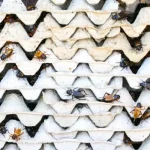
Cricket farming is booming worldwide, driven by rising demand for sustainable human protein, reptile food, and animal feed. But did you know that paper egg trays play a vital role in raising them? While it might sound unusual at first, these molded pulp structures are actually the industry standard habitat for crickets. Read on to discover how they transform commercial breeding operations!
Why Are Paper Egg Trays Used in Cricket Farming?
Paper egg trays act as engineered micro-habitats that solve key space and environmental challenges in insect rearing.
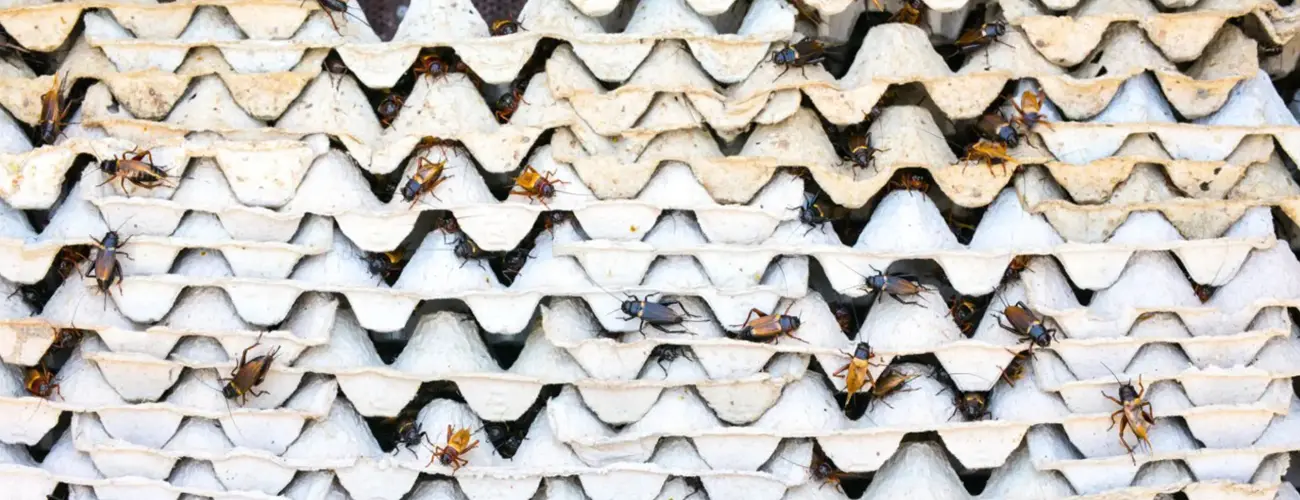
Maximized Vertical Surface Area
Crickets are natural climbers. Stacked multi-pocket trays turn empty container volume into usable living space, preventing floor overcrowding and allowing higher breeding density.
Population Loss Reduction
Deep tray pockets provide essential hiding spots. Vulnerable crickets can safely retreat during molting, significantly lowering stress-induced cannibalism and mortality rates.
Passive Moisture & Humidity Control
Molded paper pulp naturally absorbs excess moisture and humidity while keeping air flowing. This maintains a healthy micro-climate and prevents lethal mold growth inside breeding bins.
Eco-Friendly & Low-Cost Sanitation
Made from recycled natural paper, the trays are non-toxic, 100% biodegradable, and cheap to replace, ensuring simple biosecurity and quick cleanup between harvest cycles.
Strategic Placement of Paper Egg Trays Powers High-Yield Cricket Production
Proper arrangement and hygiene practices maximize colony yield and simplify daily farm operations.
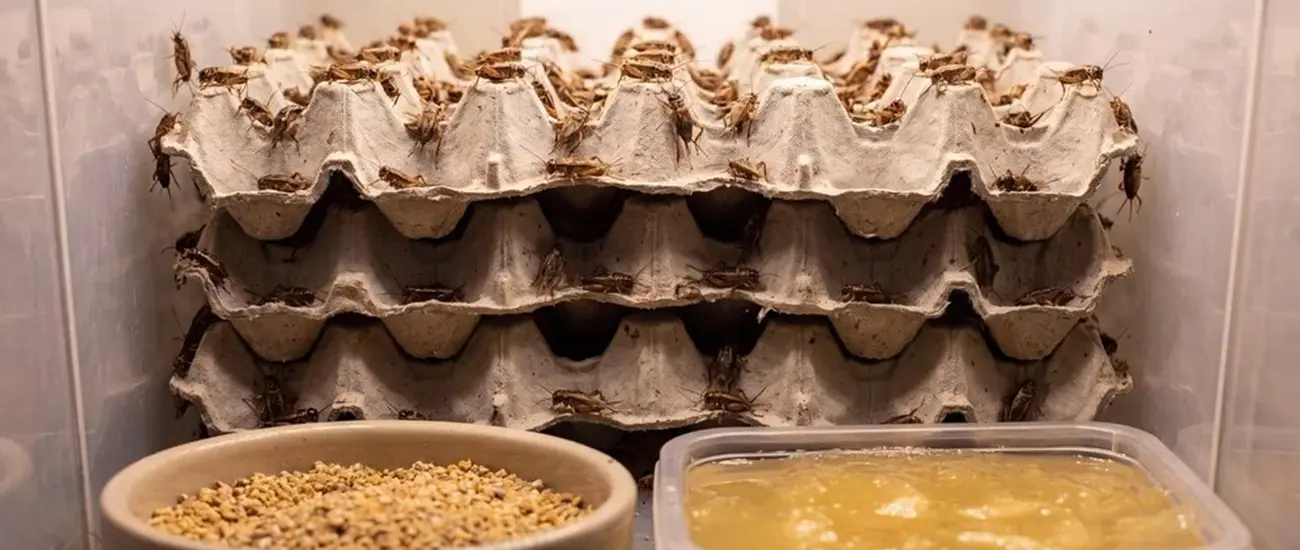
Vertical Stacking Configuration
Position egg trays vertically or slightly tilted inside breeding containers rather than laying them flat. This upright orientation allows insect droppings (frass) to fall directly to the bin floor, keeping climbing surfaces dry, clean, and well-ventilated.
Spaced Interlocking Placement
Stagger adjacent egg tray rows with small gaps between sheets rather than pressing them tight. Creating these narrow pathways ensures crickets can move freely across all layers while promoting unobstructed air circulation throughout the bin.
Dedicated Feed & Hydration Zones
Keep feeding stations and hydration sponges strictly separated from main egg tray habitat stacks. Preventing direct contact with moisture and organic feed preserves tray rigidity and keeps resting areas clean.
Systematic Batch Rotation
Replace soiled or softened egg trays at the end of every harvest cycle. Utilizing fresh egg trays for each new breeding batch maintains strict biosecurity and prevents pathogen transmission between generations.
How to Choose the Right Paper Egg Trays for Cricket Farming
Selecting the correct paper egg trays is critical to maintaining a healthy habitat and ensuring smooth, long-term farm operations.
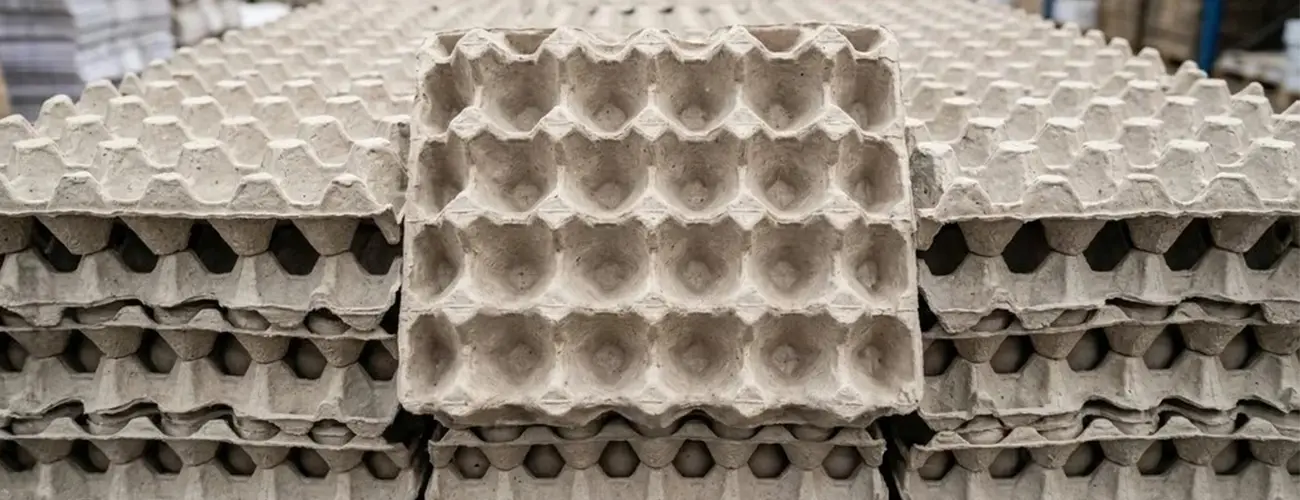
Engineered Design & Multi-Pocket Structure
Standard 30-cell paper egg trays offer the ideal geometric structure for insect farming. Deep pockets and staggered contours maximize the available three-dimensional crawling surface, giving insects ample room to rest while preventing overcrowding in high-density breeding containers.
Material Safety & Chemical-Free Fiber
Insects are highly sensitive to environmental contaminants. Egg trays used in breeding must be made from clean, recycled pulp that is strictly unbleached and free of harmful chemical additives, synthetic binders, or toxic ink residues to ensure safe, food-grade insect production.
Structural Rigidity & Thorough Dryness
To withstand vertical stacking without collapsing, egg trays require strong structural compression strength. Additionally, trays must be fully industrial-dried prior to storage and transport, preventing ambient mold growth and ensuring long-term durability in high-humidity farm environments.
Buying vs. Making: How Cricket Farms Source Egg Trays at Scale
Cricket farms replace egg trays every harvest cycle, so tray demand grows with each new breeding bin. The most practical sourcing route depends on farm scale.
Small-Scale & Pilot Farms
Buying ready-made trays requires no equipment in