
In today’s world, where environmental awareness is steadily increasing, biodegradability has become the first concept that comes to mind when discussing sustainable packaging. Yet, what does it truly mean for a material to be biodegradable, and why does this property play such a crucial role in the evolution of sustainable packaging solutions?
What is Biodegradability?
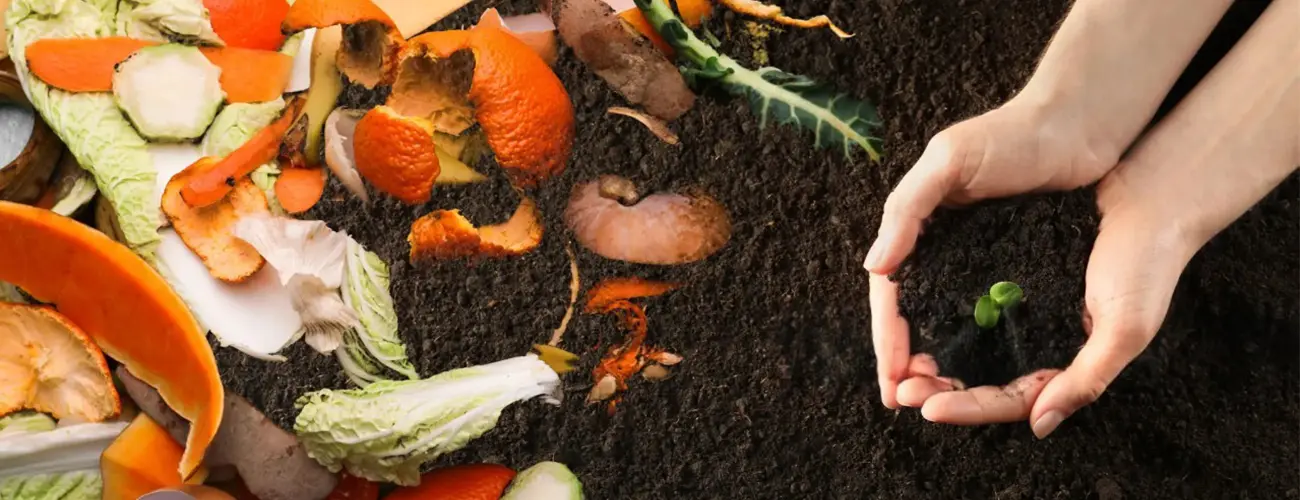
Definition of Biodegradability
Biodegradability refers to the ability of a material or substance to be decomposed by natural processes involving microorganisms such as bacteria, fungi, and other biological agents. These organisms break down complex molecular structures into simpler, non-toxic compounds through metabolic activity. The process may occur under aerobic (oxygen-rich) or anaerobic (oxygen-deficient) conditions, depending on the surrounding environment.
Factors Affecting Biodegradation
Several environmental and material factors influence the rate and extent of biodegradation. Temperature, moisture content, and microbial activity are key conditions that determine how efficiently a substance decomposes. Under optimal circumstances, biodegradable materials may break down within months or a few years, whereas conventional plastics can persist for centuries.
Types of Biodegradable Products
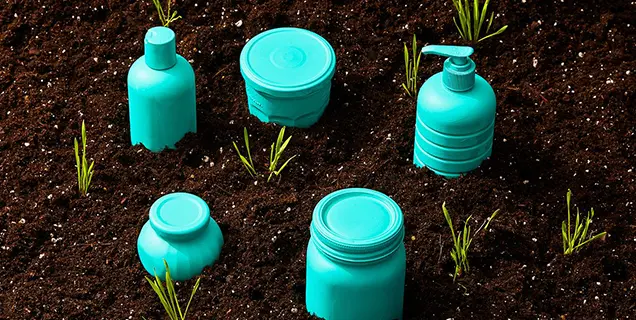
Biodegradable Plastics
Biodegradable plastics are engineered polymers designed to disintegrate under natural conditions. They are commonly made from renewable feedstocks such as cornstarch, polylactic acid (PLA), or polyhydroxyalkanoates (PHA). When properly processed, these materials can mimic the performance of conventional plastics while having the advantage of microbial decomposition after use. However, their degradation efficiency heavily depends on the disposal environment; certain variants only degrade in industrial composting facilities.

Biodegradable Paper Products
Paper-based materials, such as egg trays, remain among the most reliable and genuinely biodegradable packaging options. Derived from cellulose fibers, paper decomposes rapidly when exposed to moisture and microorganisms. Recycled paper pulp, in particular, exhibits excellent biodegradability and can be reused multiple times before its fibers lose structural integrity.
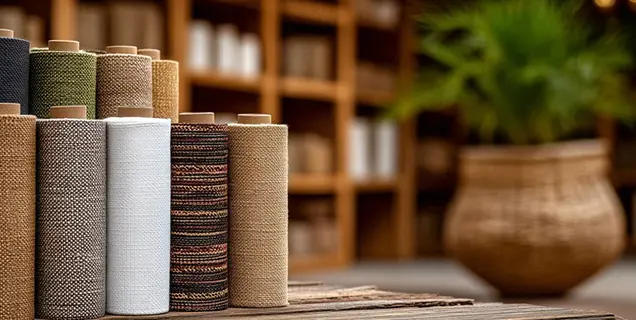
Biodegradable Fabrics
Natural fibers such as cotton, hemp, jute, and wool fall into the biodegradable fabric category. These materials are widely used in apparel and textile applications where synthetic fibers like polyester dominate. Although biodegradability is an inherent property of natural fabrics, the presence of chemical dyes, coatings, or synthetic blends can reduce the decomposition rate and environmental compatibility.

Biodegradable Food Packaging
This segment includes trays, cups, containers, and wraps designed to handle food items while maintaining environmental safety. Materials such as coated paperboard, starch-based films, and bagasse (sugarcane fiber residue) are increasingly replacing single-use plastics in the food service sector. Their biodegradability ensures that post-consumer waste can be safely reintegrated into soil ecosystems rather than contributing to landfill accumulation.
Environmental Impact and Value of Biodegradable Packaging
Biodegradable packaging represents a decisive step toward reducing environmental impact and achieving long-term sustainability in modern production systems. Beyond its material characteristics, its value lies in how it reshapes waste management, energy use, and ecological protection. The following aspects illustrate its growing importance across industries.
Pollution Reduction
Unlike conventional plastics that can persist for hundreds of years, biodegradable materials decompose naturally into harmless compounds once discarded. Through microbial action, they return safely to soil and water systems without leaving microplastic residues or toxic chemicals. When properly managed, biodegradable packaging reduces the burden of waste treatment, mitigates air and water contamination, and preserves cleaner habitats for future generations.
Lower Carbon Footprint
The production of biodegradable materials typically consumes less fossil fuel and energy compared with petroleum-based plastics. Many biodegradable polyme