
Opportunities for Pulp Molding in FMCG Industry

Fast-moving consumer goods (FMCG) have transformed modern consumption, with millions of packages circulating daily. This creates both convenience and environmental challenges. As governments tighten restrictions on single-use plastics, investors are seeking sustainable alternatives. Pulp molding offers a practical solution, combining cost-efficiency, performance, and eco-friendliness.

Definition and Characteristics of FMCG

FMCG, or fast-moving consumer goods, are low-cost products that are consumed quickly and replaced frequently, such as beverages, snacks, and cosmetics. These products rely heavily on packaging, making it important to understand their main characteristics and why sustainable alternatives like pulp molding are valuable.
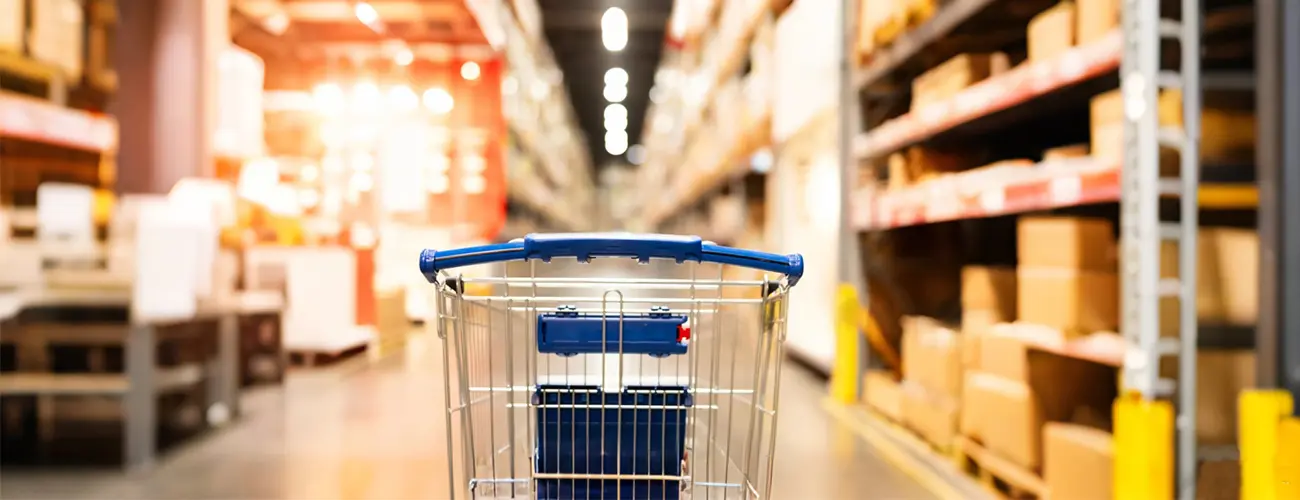
Fast-moving Consumer Goods Industry

High Frequency

Consumers buy FMCG items almost every day. Groceries, snacks, and daily essentials are constantly restocked, creating ongoing demand for packaging. Packaging must be easy to use, ready to deploy, and safe, ensuring that products remain protected while keeping up with high turnover.

Large Scale

Millions of FMCG items move through stores and supply chains daily. The sheer volume increases both economic and environmental impact. Small improvements in packaging design or material can save costs and reduce waste, making innovation crucial for sustainability and operational efficiency.

Cost-sensitive

FMCG products are sold with slim profit margins. Packaging needs to be affordable while keeping goods safe from damage. It also supports brand image, so boxes, inserts, or protective materials must balance low cost with quality, a key challenge for manufacturers and retailers.

Why Are Pulp-Molded Products Suitable for FMCG?

Pulp-molded packaging offers a practical, sustainable, and adaptable solution for FMCG, meeting environmental, operational, and design requirements simultaneously. Its combination of eco-friendliness, efficiency, and customization makes it a compelling choice for modern packaging needs.
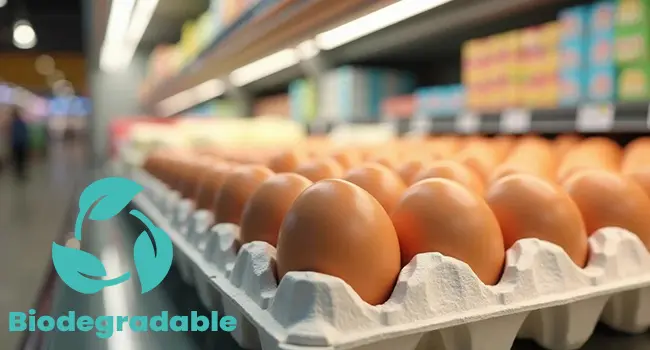
Sustainable Egg Trays

Sustainability

Pulp-molded packaging is biodegradable and recyclable, helping reduce plastic waste. Compared with petroleum-based materials, it has a lower carbon footprint. This makes it suitable for everyday FMCG products such as beverages, eggs, fruits, and cosmetics, addressing both environmental concerns and sustainability goals.

Operational efficiency

These products are lightweight, stackable, and easy to transport, reducing logistics costs. Their strong cushioning capacity protects delicate goods, ensuring they arrive intact. For example, molded inserts can secure electronics or cosmetics during shipping, while paper trays safely hold fruits in large-scale distribution.
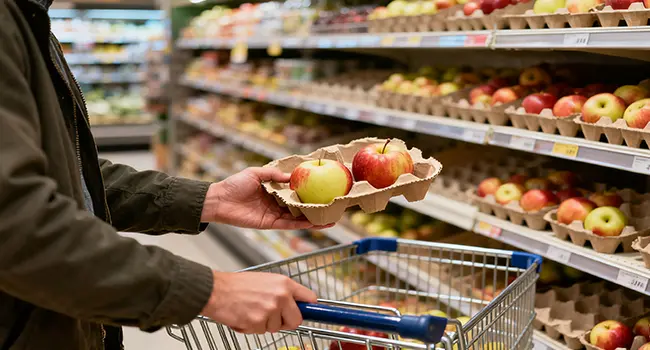
Paper Apple Tray to Improve Operational Efficiency
Design Flexibility in Paper Coffee Cup Trays

Design flexibility

Molds can be customized to fit different FMCG products, allowing precise packaging that also reinforces branding. Shapes, sizes, and textures can be adapted to enhance product presentation and consumer appeal. This flexibility enables investors and retailers to balance functionality with market differentiation.

How Policies and Market Trends Drive Pulp Molding

Policies and Market Trends Drive Pulp Molding

01Policy Drivers

Many countries are restricting single-use plastics, such as through the EU Single-Use Plastics Directive. At the same time, governments promote carbon neutrality, encouraging industries to switch to renewable packaging. Tax incentives and certifications for biodegradable materials further support adoption, making sustainable packaging a strategic choice for companies.

03Market Trends

Many global brands are piloting paper packaging, while FMCG companies increasingly highlight eco-friendly packaging in supply chain reports. Investments in pulp molding production capacity are rising, reflecting strong demand. In Europe, paper and cardboard recycling rates reached nearly 82% in 2021, and the global molded pulp packaging market is projected to grow over 6% CAGR in the next five years.

04Consumer Behavior

Younger consumers are more willing to pay for sustainable options, and awareness of packaging waste continues to grow. These combined factors create a favorable environment for pulp-molded products to expand rapidly in FMCG markets.

Partner with Us to Start Your FMCG Business

Beston Group Pulp Moulding Machine

High-speed Production

Our pulp molding machine is designed for continuous, automated operation. With stable performance and high output. It enables investors to keep pace with the rapid turnover of FMCG products. This ensures packaging supply never becomes a bottleneck, supporting uninterrupted distribution across large retail and consumer networks.

Customizable Molds

Different FMCG goods require different forms of protection and presentation. Our machines allow flexible mold changes, making it possible to produce fruit trays, egg trays, or other protective packaging with the same equipment. This adaptability helps businesses handle diverse product lines efficiently while reinforcing brand identity through tailored packaging designs.

Cost-efficient Operation

FMCG industries often operate on slim margins, which makes cost control critical. Our systems are designed to optimize raw material usage and reduce energy consumption without compromising product quality. By lowering operating costs, businesses can remain competitive while also achieving sustainability goals through eco-friendly pulp-molded packaging.

Reliable Support

Beyond equipment, we provide installation guidance, training, and after-sales service. This ensures manufacturers can quickly start production, minimize downtime, and maintain stable output—critical for FMCG businesses that rely on consistency and speed.

Conclusion

Packaging is more than a container in FMCG—it is a driver of efficiency, branding, and sustainability. By balancing cost, performance, and design flexibility, pulp moulding products provide a practical answer to the industry’s core challenges. More importantly, every tray, insert, or carton made from pulp contributes to reducing plastic waste and lowering carbon emissions, helping FMCG businesses align growth with global environmental responsibility.

    Contact Us

    The following items will help you identify key information about your project, which will enable us to work on a competitive solution proposal.

    Please specify your requirement by referring to the following aspects:

    1.Which model would prefer? (BTF4-4 to BTF8-8) Or what is your expected output? (Key point)

    2.Do you need metal drying line for drying wet paper trays?

    3.Your requirements on the final pulp molded products

    4.Budget for machinery purchasing? (Key info for right model)

    5.Points that you really focus on. (Customized service from our project consultant)