
In recent years, global plastic bans have reshaped the packaging and disposable product markets. With mounting concerns about ocean microplastics, landfill congestion, and carbon emissions, governments and consumers are turning toward biodegradable alternatives. Among them, paper pulp molding has emerged as one of the most practical and scalable solutions. For pulp molding industry, the plastic ban has opened new avenues of growth – alongside a set of new challenges that demand technical and strategic adaptation.
What is Plastic Ban?
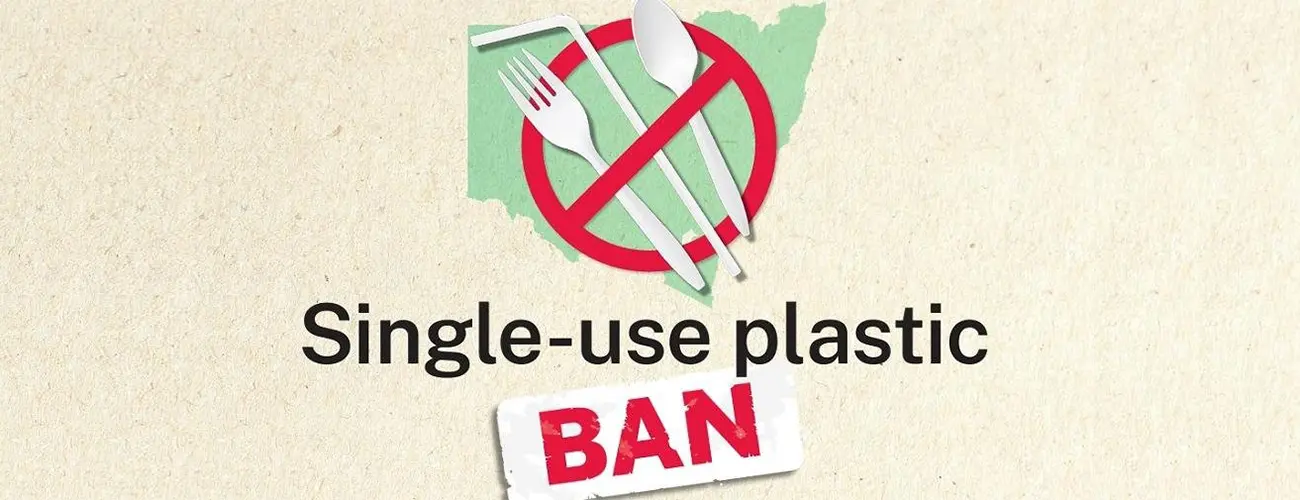
Definition & Purpose of the Plastic Ban
The plastic ban is a regulatory measure aimed at prohibiting the use of polymer materials derived from petroleum and other fossil fuels. These materials cause severe environmental pollution during production and use, posing significant threats to ecosystems and biodiversity.
Global Implementation Status & Development Trends
At present, an increasing number of countries have begun implementing bans on plastic bags and gradually prohibiting the use of single-use plastic products such as disposable tableware, straws, and plates. The core objective of these policies is to promote the adoption of more degradable, renewable, and non-polluting alternatives, fostering an environmentally friendly model of production and consumption.
Countries and Specific Regulations Implementing the Plastic Ban
| Country | Key Requirement |
|---|---|
| European Union | Since July 2021, the single-use plastic plates, cutlery, straws, balloon sticks and cotton buds are banned across all EU Member States. Cups, food, and beverage containers made of expanded polystyrene are also banned. |
| USA (California) | California was the first state to ban plastic bags; the statewide ban has been in effect since 2016. In 2022 the state passed a law to ensure a 25% reduction in single-use plastic by 2032, with targets to improve recycling rates and reduce plastic pollution. |
| China | Bag bans: Ultra-thin plastic bags have been banned since 2008; thicker bags are being phased out across towns and cities in 2022, with a full ban planned by 2025. Restaurant industry: Mandated to reduce single-use plastic items by 30%, with a timetable for phasing out all single-use plastic tableware (cutlery, chopsticks, straws, stirrers) by the end of 2025. |
| UK | National bans broadly following the EU legislation: England, Scotland and Wales have each banned single-use plastic cutlery, plates, bowls, trays, balloon sticks, and polystyrene food and drink containers. |
| Kenya | Since 2017 Kenya implemented a comprehensive single-use plastic bag ban with heavy penalties. Manufacturing, importing or selling single-use plastic can incur fines around $40,000; using single-use plastic can face fines around $500 or criminal sentences. |
Opportunities Brought by Plastic Ban to the Paper Pulp Industry


Rising Demand for Sustainable Packaging
The global enforcement of plastic bans has accelerated the demand for environmentally friendly packaging solutions. As single-use plastics are phased out, paper pulp packaging has emerged as a primary substitute due to its biodegradability and renewability. This transition is creating vast opportunities for manufacturers specializing in pulp-molded products, including egg trays, plates, and boxes that meet both environmental and functional standards.
Expansion of Production and Technological Innovation
The growing market demand encourages investment in automated pulp molding lines and improved forming technology. Equipment with higher production efficiency and energy optimization allows enterprises to meet large-scale orders while reducing operational costs. This technological advancement also enhances product diversity, supporting the manufacturing of complex shapes for various industries such as food service, agriculture, and electronics.
Policy Support and Market Incentives
Many governments are providing financial incentives, tax relief, and green certification programs to encourage paper-based alternatives. These policies lower entry barriers and strengthen the competitiveness of the paper pulp sector. The alignment of regulatory frameworks with sustainability goals creates a favorable environment for long-term industrial growth and export expansion.
Emergence of a Circular Economy Model
Beyond production, the paper pulp industry benefits from the development of a circular economy. Waste paper and agricultural residues can be utilized as raw materials, reducing reliance on virgin resources and minimizing waste generation. This sustainable resource loop positions paper pulp manufacturing as a key contributor to low-carbon development, aligning perfectly with global environmental directives.
Challenges Faced by the Paper Pulp Industry Under Plastic Ban Policies

Uneven Technological Development
Policy and Certification Barriers
Market Acceptance and Supply Chain Pressure
The Road Ahead: Balancing Innovation and Sustainability
The global transition away from plastics is irreversible. For the paper pulp molding industry to truly substitute conventional plastic packaging, it must evolve beyond mere policy compliance and establish a sustainable, innovation-driven growth model. The path forward can be understood through three key dimensions:

Build a Sustainable Value Chain
Future development depends on resource efficiency and circular material utilization. From fiber sourcing to waste recovery, each stage must minimize environmental impact while maintaining product performance. Collaboration across suppliers, converters, and end-users will be essential to create a closed-loop ecosystem.
Advance Equipment Innovation
Paper pulp molding equipment manufacturers are at the heart of this transition. By developing reliable, automated, and multi-functional production systems, they enable high-volume, cost-efficient, and eco-conscious packaging output. Continuous improvement in forming precision, drying efficiency, and automation levels will determine the industry’s long-term competitiveness.
Integrate Technology and Sustainability
The industry’s success lies in harmonizing innovation with environmental responsibility. Reducing energy consumption, improving operational stability, and enhancing adaptability to market shifts are crucial goals. Companies that proactively invest in technological upgrades and sustainable production models will not only endure the effects of global plastic bans but also define the next era of green manufacturing.
Conclusion
Plastic bans mark a structural shift in the global materials economy, positioning the paper pulp molding industry at the center of sustainable transformation. By integrating precision engineering, intelligent automation, and eco-efficient operations, the industry can accelerate the transition toward circular packaging—proving that innovation and environmental responsibility can advance in unison.