In today’s world, the courier industry has reached an extraordinary level of convenience. With just a few taps on your phone, any product can arrive at your doorstep within three to five days. Yet this convenience brings an important question: have you ever wondered where all the discarded shipping cartons end up? And more importantly, are they truly being recycled and reused?
Current Accumulation of Courier Cartons
The explosive growth of modern delivery services has created a significant surge in discarded corrugated cartons. With millions of parcels shipped daily, waste cartons now represent one of the fastest-growing solid waste streams in urban areas.
- Over 200 billion parcels are shipped globally each year.
- A large city can generate 3,000–5,000 tons of waste cartons per day during peak shopping seasons.
- Households alone contribute 60–70% of post-consumer carton waste, forming a highly concentrated resource stream.
Why Waste Cartons Accumulate
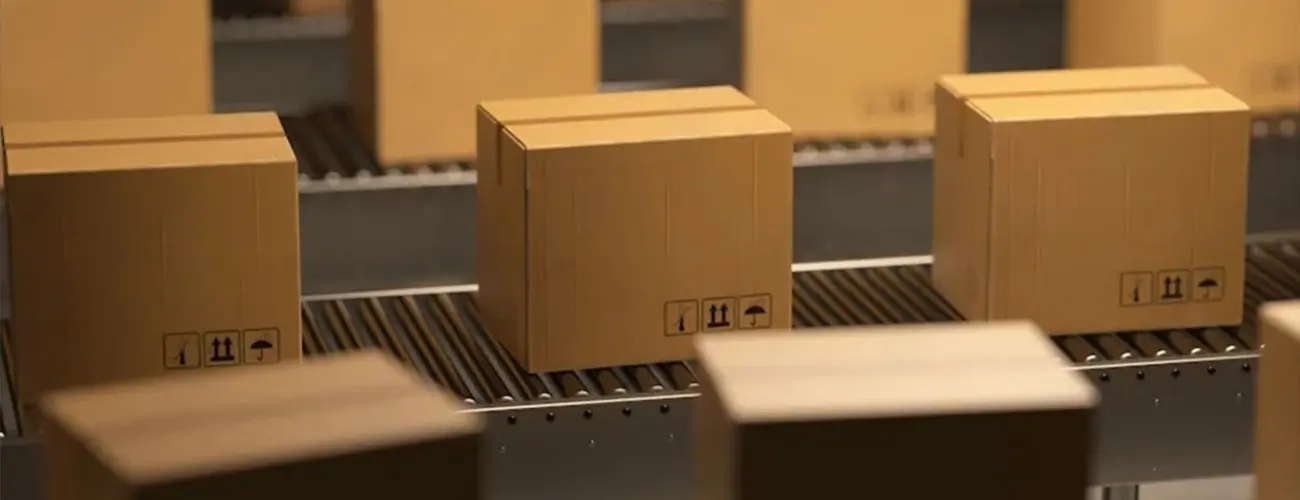
Carton accumulation is largely driven by the accelerating frequency of online purchases and the widespread use of oversized or single-use packaging. Many parcels include unnecessary double-boxing or redundant fillers, resulting in higher carton consumption per shipment. Logistics speed also encourages rapid turnover, leaving households and distribution centers with large volumes of cartons that pile up faster than recycling systems can process. Seasonal shopping events further amplify this surge, causing temporary but extreme waste spikes.
The Hidden Value of Discarded Cartons
Despite their volume, waste cartons are far from worthless. Corrugated cartons contain long, high-strength cellulose fibers ideal for repulping and remanufacturing. Their purity, low contamination rate, and easy compressibility make them one of the most economically viable raw materials available to recycling-based industries. When used in molded fiber production—such as egg trays, cup carriers, and protective inserts—these cartons become a renewable, low-cost feedstock that supports sustainable packaging and circular material flows.
Existing Recycling Options for Waste Cartons
Waste cartons are currently processed through several established recycling methods, each representing a different pathway for recovering fiber resources.
Recycling into Recovered Paper
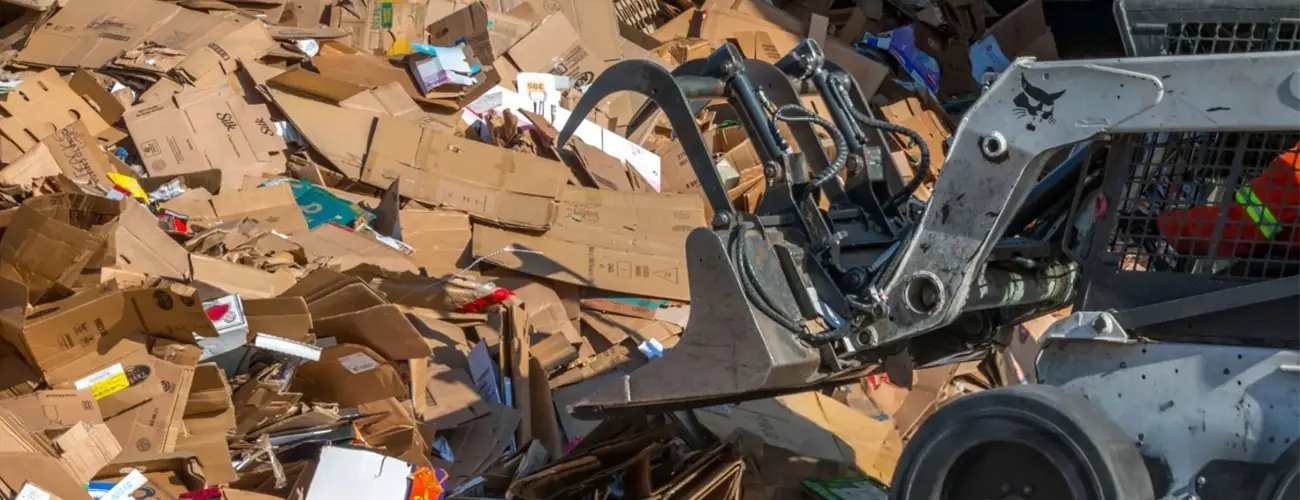
A large portion of waste cartons is reprocessed into recovered paper, where the material is pulped and formed into new paper products. Although effective, each recycling loop causes the fibers to become progressively shorter and weaker. As a result, the material eventually reaches a point where it can no longer meet the strength requirements needed for papermaking.
Incineration for Energy Recovery
Where local recycling infrastructure is insufficient, cartons may be incinerated to generate heat or electricity. Although this recovers some energy, it eliminates valuable fibers entirely and raises emissions-management considerations.
Landfilling
A portion of cartons still ends up in landfills, where high-quality fibers are buried rather than reused. This undermines sustainability objectives and places further pressure on already constrained land resources.
Exporting Waste Paper
In some regions, a portion of waste cartons is exported to countries with large recycling capacities. Yet this approach is increasingly challenged by shifting import regulations, rising logistics costs, and geopolitical uncertainties, making export-dependent recycling less reliable over time.
Transforming Waste Cartons into Molded Products
The pulp molding machine provides a practical and resource-efficient pathway to convert discarded cartons into durable, value-added molded products. Through a sequence of pulping, forming, drying, and final packaging, waste cartons are reprocessed into new items with extended functional lifespans. The system leverages the long cellulose fibers in cartons, enabling stable molding performance and consistent product quality across different applications.


Pulp tray
A wide range of daily-use trays can be produced from repulped cartons. These include egg trays, fruit trays for apples or peaches, cup carriers used in cafés, and nursery trays for agricultural seedling production. Such products are lightweight, biodegradable, and suitable for mass consumption markets that require both protection and environmental compliance.
Industrial Packing
Beyond everyday trays, molded fiber is increasingly used in industrial packaging for cosmetics, electronics, and other fragile goods. These inserts provide excellent cushioning while reducing reliance on plastic foams. As demand for sustainable packaging grows, the ability to transform waste cartons into engineered protective components becomes an important competitive advantage for manufacturers.
Why Using Waste Cartons as Raw Material Creates Competitive Advantages
Stable and Cost-Efficient Fiber Source
The vast volume of cartons generated by the courier industry creates a dependable and low-cost supply of high-quality fibers. Compared with virgin pulp, repulped cartons significantly reduce raw-material expenses while still delivering strong structural performance. This cost advantage becomes especially valuable in markets sensitive to price fluctuations in global pulp supply.
Increasing Market Demand for Sustainable Packaging
Consumers, retailers, and global brands are actively shifting toward biodegradable, recyclable, and plastic-free packaging. Molded fiber products made from waste cartons align naturally with these expectations. Their environmental appeal enhances product acceptance and strengthens brand competitiveness for manufacturers adopting recycled fiber.
Lower Waste-Management Pressure
Channeling cartons into molded fiber production reduces reliance on landfilling and incineration. This diversion not only decreases disposal burdens for municipalities but also supports broader sustainability targets at national and corporate levels. Manufacturers benefit by aligning their operations with emerging circular-economy standards.
Versatility for New Product Development
Waste cartons can be processed into a wide variety of molded products—from agricultural trays and food-service carriers to protective inserts used in electronics and cosmetics. This adaptability enables manufacturers to expand product lines, diversify revenue streams, and respond rapidly to changing market needs.
Conclusion
The surge in the courier industry has generated vast quantities of waste cartons, often viewed as low-value residues of a convenience-driven era. Yet these materials possess significant potential. Their high fiber quality and wide availability make them ideal inputs for the pulp molding industry, which continues to evolve as a cornerstone of sustainable packaging solutions.